Table of Content
When you blow out a candle, make sure to open a window or increase air circulation before closing your windows and turning on your purifiers. With a few simple and affordable adjustments, you can make your home a much safer breathing space. So, these 10 ways to reduce air pollution should be practiced by everyone to live a healthy and sustainable life. We can use smoking areas to reduce the effects of air pollution.

This isn’t usually a good idea, but it can assist in some situations. It's not actually pet fur that causes the most issues for allergy sufferers, it's dander that floats through the air unseen and can be inhaled. If you have hay fever allergies, letting your pet sleep in the bedroom with you will likely contribute to your troubles. On top of the dander they drop on your duvet, they may also bring in pollen stuck to their fur.
Don’t Smoke Indoors
Increase natural ventilation in your home to reduce indoor air pollution. Check the forecasted pollen count before doing so to avoid introducing more air pollutants to the indoor environment. Before dawn and late afternoon to early evening hours are typically ideal times for doing so. Air-conditioning systems are always working to give your home that perfect temperature all year round.
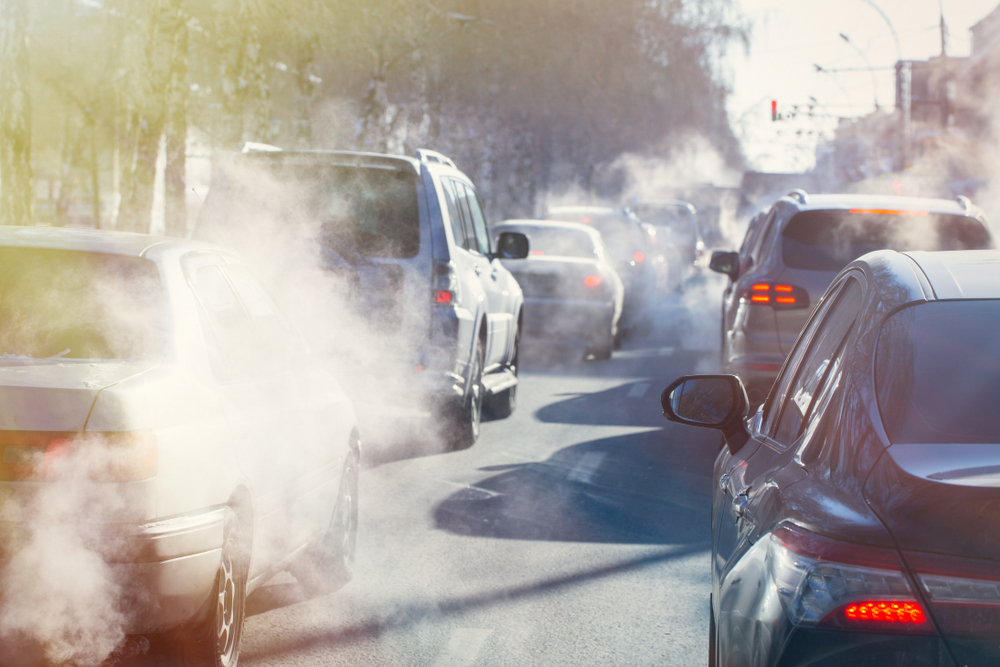
This way, you can reduce the number of pollutants in your home and improve air quality for you and your family. The introduction of new technology like E-Busses helps in reducing emissions, and therefore, air pollution. Traffic congestion produces high amounts of soot and carbon monoxide, which contributes to poor air quality. Using public transportation reduces pollution levels, as well as traffic jams on the road.
Cigarette smoke
Or bring the clothes home and air them outside or in the garage. Our company, Mass Clean Air services, specializes in air cleaning and we would be happy to help you achieve cleaner air in your home. We have been in the business for many years now and have helped many customers achieve cleaner air. We offer a free consultation to discuss your needs and we can provide you with a quote for our services. Our team of professionals uses the latest equipment and techniques to clean your air and we guarantee your satisfaction.
We’ll also state in this guide some tips and tricks on how to determine poor air quality, as well as what you can do to improve the cleanliness of your indoor air. Air ducts are responsible for distributing hot and cold air throughout your home, providing a comfortable climate in every room. But ducts that are not installed properly or maintained can distribute contaminants from one room to another. Over time, dust, dander and even mold can accumulate in your ducts, reducing the overall air quality. Hire a professional to make sure your ducts are circulating fresh, clean air.
How to Reduce Air Pollution Inside Your Home
Whenever you are doing DIY or cleaning with chemicals, your first thought should be “does this job need me to wear a mask to stop my breathing in either particles or chemicals? An elastomeric mask with particle or combined particle and chemical filters will give you tremendous protection–please see this article “what is the best air purifier mask? The kitchen is probably the major source of pollution in most houses due to cooking. In addition cooking causes both particle pollution and chemical pollution. So it is one room that would particularly benefit from an air purifier.

If you are using an old vehicle, make sure you have installed catalytic converters. Catalytic converters help to convert harmful toxins like nitrogen oxides, carbon monoxides and hydrocarbons emitted from engine’s emissions into safe gases, for instance, steam. Such simple installation can reduce the threat of smog conditions. In addition, you can also cut short your vehicle trips; organize your plans accordingly to avoid frequent use of commutes. Air ionizers are machines that eliminate airborne pollutants using negative ions.
Role of ventilation and air filters
You can decrease poor air quality by adequately maintaining indoor hygiene. For example, you can frequently clean your cupboards and open decks to avoid an accumulation of dust particles. In addition, I would strongly recommend carpeting a minimum floor area. Home accessories like carpets attract many allergens and pollens. These pollutants get stuck to the carpet and can degrade the indoor air quality. You can vacuum these carpets and furniture such as sofas at least twice a week.
In addition, when AC or heater makes the air in the room dry, humidifiers can maintain correct humidity levels. If you have furry friends with you, make sure your doggies and cats are well-groomed. Avoid overuse of strong perfumes or strong scented candles indoors.
Other pollutants originate inside the home, such as when you pet your dog and release dander into the air or burn a piece of toast and send smoke streaming into the kitchen. It's difficult not to generate indoor air pollution in your home, Horner says. Many home hacks will reduce airborne allergens and irritants. If you’re really serious about making sure your home is pollution-proof, consider using complementary tools in addition to humidifiers, natural household products, and air purifiers. However, most people don’t realize that our homes don’t always protect us from air pollutants. In fact, they can be a source of many toxins and irritants.
If you must use them, follow the directions carefully and ventilate the area well afterwards. Mold may develop indoors due to condensation, so make sure your home is well-insulated and air rooms like the kitchen and bathroom on a regular basis. Once a year, a gas engineer must inspect all gas equipment in your house for safety.
As a result, a purifier’s auto-mode may not clean the air to safe levels inside your home, especially on polluted days. Check if your machine can adequately purify your air by using an air quality monitor. Electricity generation plants employ fossil fuels, which contribute significantly to air pollution.

As the 3 scientific studies mentioned above were published, this limit looked far too high. In September 2021 WHO published guidance saying that the safe upper limit for pollution levels should be considered to be 5 mcg/m³. So levels that had been less than half those considered safe in the United States are now considered unsafe. The resources on this page will help you take immediate steps to protect IAQ in your home and prevent IAQ problems during remodels, renovations or when building a new home. You can also find resources to help building professionals and residents protect IAQ in multiifamily buildings.
Keep Your Home Clean
Another benefit of going green is that it cuts the pollution levels that are released into the air and therefore into the environment. Facts and figures don’t lie — our transportation needs produce 30% of all carbon dioxide gas emissions. Yeah, dry-cleaned clothes do smell great, but did you know that the dry cleaning solvents used can be toxic to breathe?
Things like cookware, furniture, paint, carpet, bedding and mattresses can all contain chemicals that add to the pollution in your home. Another common source of pollution in the kitchen is plastic use. During the colder months, you’re probably using the heater more often, and are less likely to open up your home to bring in the fresh air. Unfortunately, these can reduce the air quality and increase the levels of air pollution in the home. A little-known fact is that indoor air pollution can be up to 10 times greater than outdoors. This can vary depending on where you live, but nevertheless, it’s a scary statistic!




No comments:
Post a Comment